Blockchain for AI Decision Transparency: Can It Make AI More Trustworthy?

Introduction Artificial intelligence is rapidly becoming part of everyday decision-making. AI systems are now used in finance, healthcare, education, recruitment, cybersecurity, customer service, autonomous systems, and many other industries. These systems can analyze enormous amounts of data and make decisions within seconds. However, as AI becomes more powerful, an important question is becoming increasingly difficult … Read more


AI and Blockchain for Fraud Detection: A Powerful Combination

AI and Blockchain for Fraud Detection: A Powerful Combination Fraud has become one of the biggest challenges for businesses, financial institutions, governments, and online platforms. As digital transactions continue to grow, fraudsters are also using more sophisticated techniques to exploit vulnerabilities. From credit card fraud and identity theft to cryptocurrency scams and fake transactions, organizations … Read more

Blockchain Subscription Payments: The Future of Recurring Digital Payments

Introduction Subscription-based services have become a major part of the digital economy. From streaming platforms and cloud storage to software applications, online education, gaming, memberships, and digital communities, millions of people now pay recurring fees every month or year. Traditional subscription payments usually depend on banks, credit cards, payment gateways, and centralized financial platforms. While … Read more

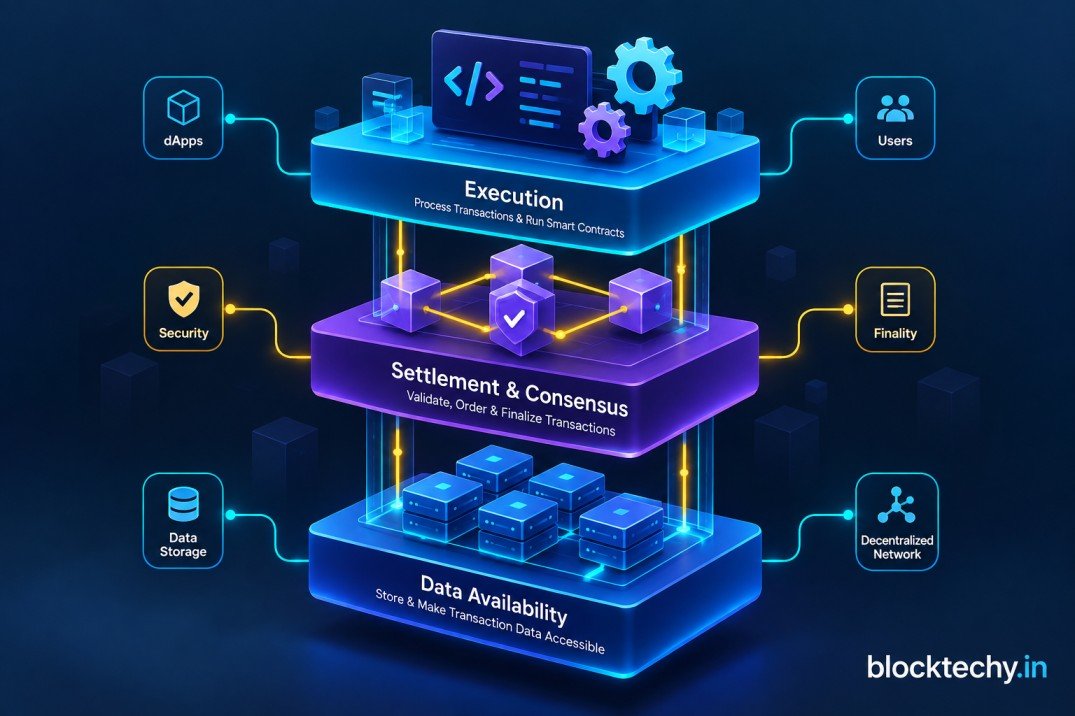
Modular Blockchains Explained: Why Blockchain Architecture Is Changing

Modular Blockchains Explained: Why Blockchain Architecture Is Changing Blockchain technology is entering a new phase of development. The first generation of blockchains focused mainly on creating decentralized networks that could process transactions securely. Later, smart contract platforms expanded what blockchains could do, enabling decentralized finance (DeFi), NFTs, DAOs, gaming, and Web3 applications. However, as blockchain … Read more

Smart Contract Wallets for AI Agents: How They Could Work

Introduction Artificial intelligence is rapidly moving beyond simple chatbots and assistants. Today, AI agents are increasingly being designed to perform tasks autonomously, interact with applications, make decisions, and execute workflows on behalf of users. As these agents become more capable, one important question emerges: How can an AI agent safely own, manage, and use digital … Read more

Digital Asset Custody Explained: How Blockchain Assets Are Secured

Introduction Digital assets have transformed the way people think about ownership, payments, investments, and financial infrastructure. From cryptocurrencies such as Bitcoin and Ether to stablecoins, tokenized securities, and other blockchain-based assets, digital ownership is becoming an increasingly important part of the modern financial ecosystem. However, owning a digital asset is not simply about buying it … Read more

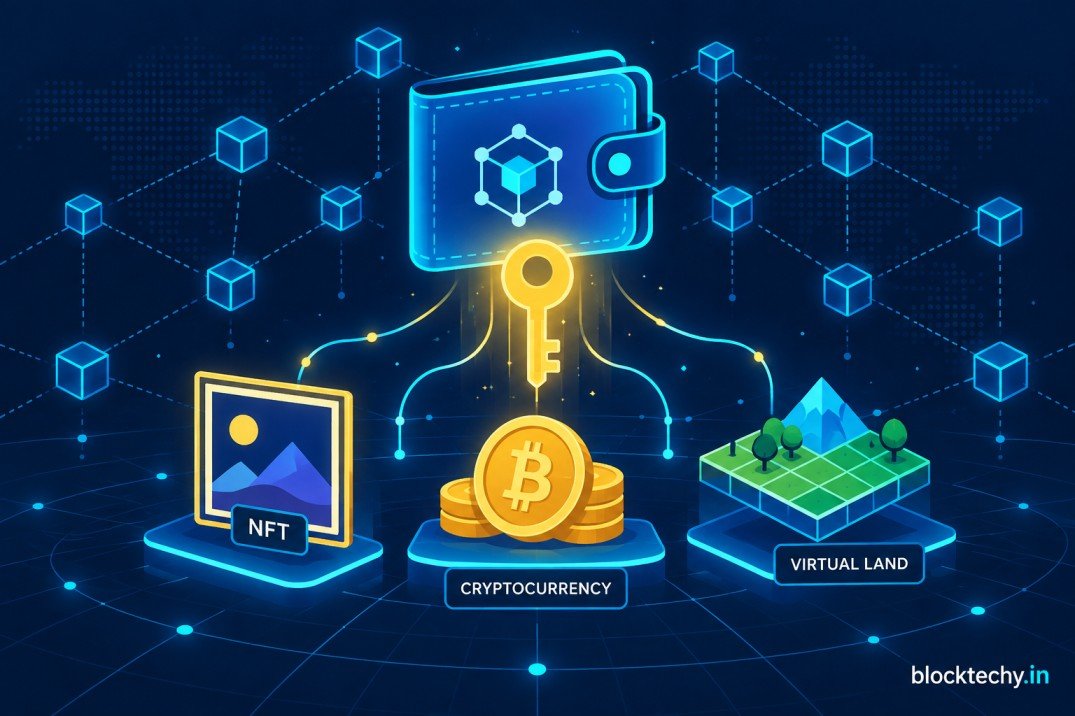
Digital Ownership in Web3: What Can You Really Own on the Internet?

Introduction The internet has transformed how we create, share, buy, and consume digital content. But for most of its history, digital ownership has been surprisingly limited. When you purchase a digital game, subscribe to a platform, buy an in-game item, or create an online profile, you often receive permission to use something rather than true … Read more

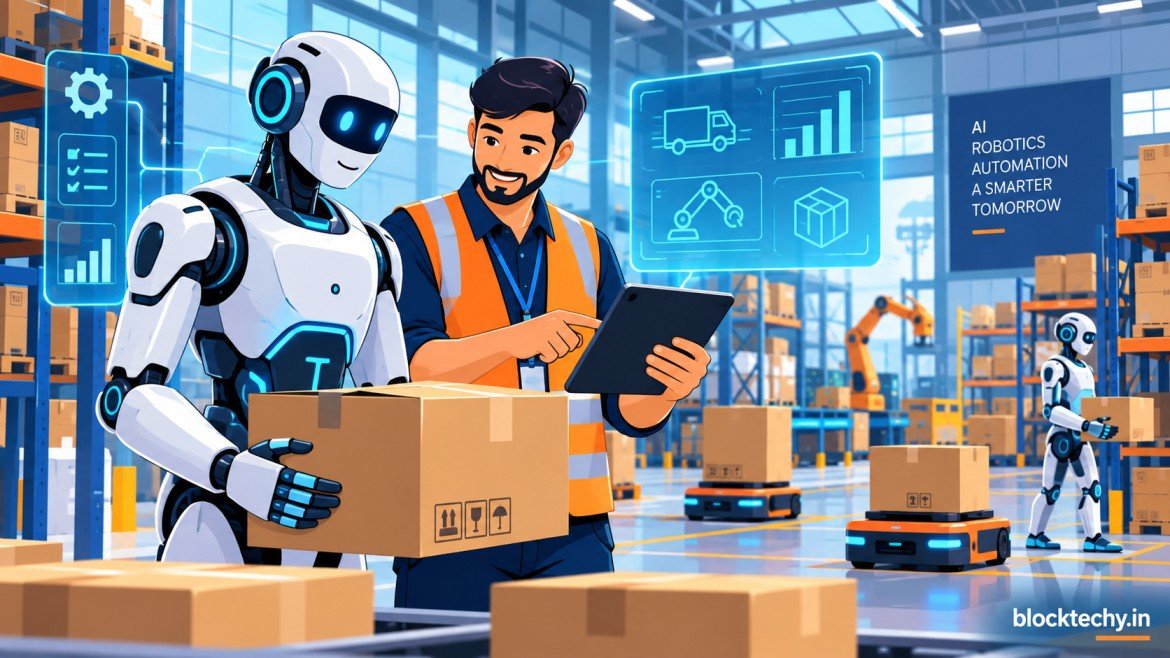
Humanoid Robots: How Close Are We to a Robot-Powered World?

Introduction For decades, humanoid robots have existed mainly in science fiction. Movies, TV shows, and futuristic stories have imagined robots that walk like humans, understand conversations, perform complex tasks, and even work alongside people. Today, that future is becoming increasingly realistic. Rapid developments in artificial intelligence, computer vision, robotics, machine learning, sensors, batteries, and advanced … Read more

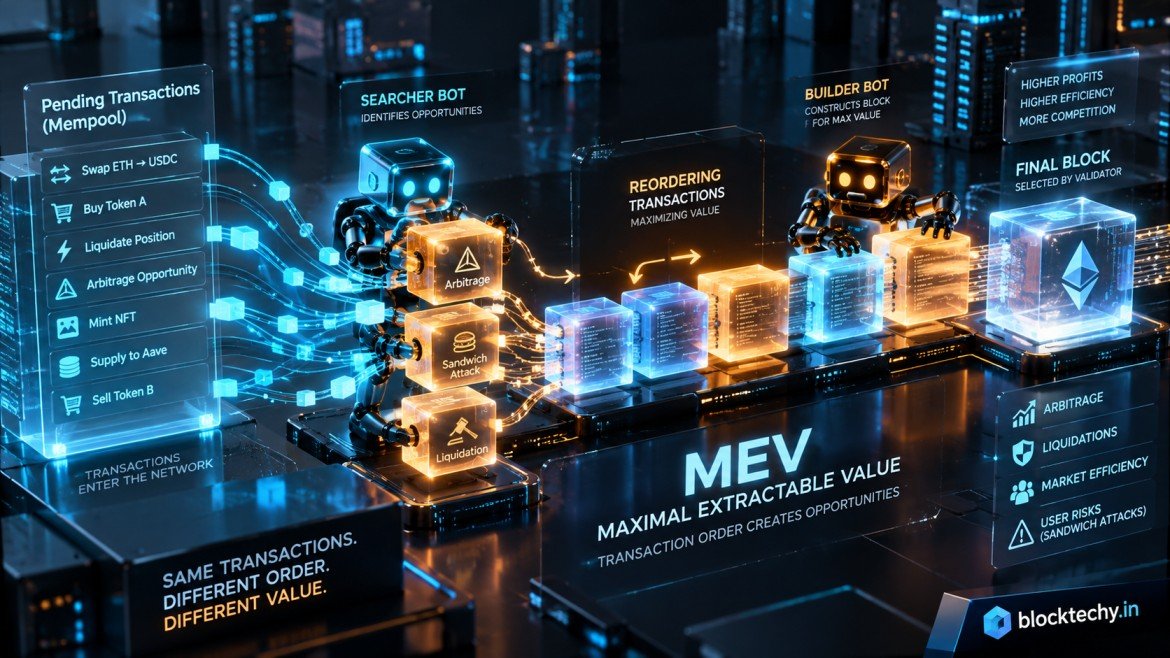
MEV in Blockchain Explained: What Is Maximal Extractable Value?

Introduction Blockchain technology has transformed the way digital transactions are processed, but beneath the surface of decentralized networks lies a complex economic phenomenon known as MEV. Short for Maximal Extractable Value, MEV refers to the additional value that block producers, validators, searchers, and other participants can obtain by strategically choosing or ordering transactions within a … Read more